
Successful Treatment of Advanced Ovarian Cancer with Cytoreductive Surgery and HIPEC
Doctor’s Name: Dr. Prateek Varshney
Hospital Name: Max Hospital, Delhi
Patient’s Name: Madam U
Patient’s Age: 50 years
Gender: Female
Patient Background – Advanced Ovarian Cancer Treatment with Cytoreductive Surgery and HIPEC
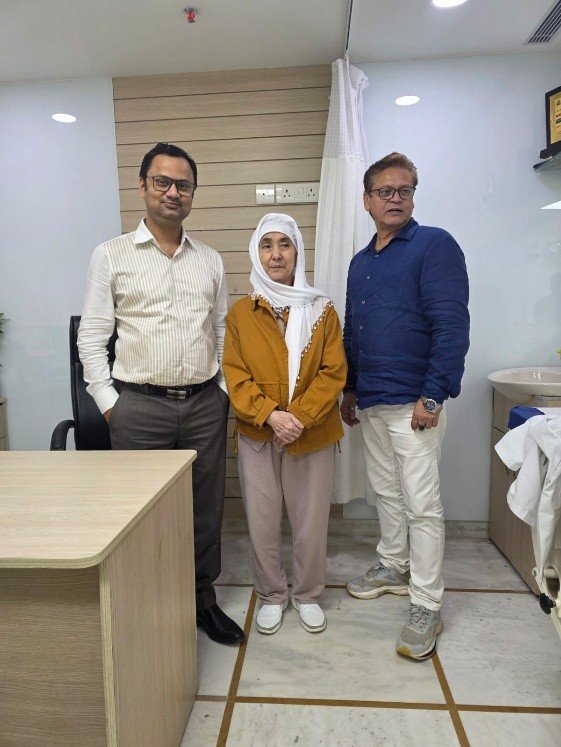
Saida, a 50-year-old woman from Uzbekistan, sought medical consultation for her persistent abdominal symptoms, including bloating and nausea. After undergoing diagnostic tests, she was diagnosed with advanced ovarian cancer. Dr. Prateek Varshney recommended a comprehensive treatment plan that involved 6 cycles of chemotherapy followed by Cytoreductive Surgery with HIPEC.
Saida shared:
“I had been experiencing abdominal discomfort for several months, and when I learned it was cancer, I was devastated. Dr. Varshney’s clear explanation and confidence gave me hope,”
Symptoms – Abdominal Discomfort and Nausea
Saida presented with several symptoms:
Gradual abdominal distension with noticeable bloating.
Occasional nausea and discomfort after eating.
Increased sensation of fullness and difficulty with digestion.
FMAS: Fellowship in Minimal Access Surgery (Laparoscopic/Robotic)
These symptoms were persistent and progressively worsened, prompting her to seek medical advice.
Diagnostic Method – Comprehensive Approach to Ovarian Cancer Diagnosis
To confirm the diagnosis, Dr. Prateek Varshney utilized advanced diagnostic tools:
CT Scan of Abdomen: Revealed a significant mass consistent with ovarian cancer.
PET CT Scan: Showed the spread of the cancer, indicating an advanced stage.
CA 125 Levels: Elevated CA 125 levels, a marker often associated with ovarian cancer, further indicated malignancy.
Biopsy: The biopsy results confirmed the presence of malignant ovarian cells, solidifying the diagnosis of advanced ovarian cancer.
Disease Diagnosed – Advanced Ovarian Cancer
Saida was diagnosed with advanced ovarian cancer, which had progressed beyond the ovaries. The cancer cells had spread to surrounding tissues, making early-stage surgery impossible. Dr. Varshney devised an aggressive, multi-phase treatment plan to reduce the cancer load and improve Saida’s chances of survival.
Treatment Plan and Post-Surgery Guidelines – Cytoreductive Surgery and HIPEC
Dr. Varshney and the team at Max Hospital recommended a targeted treatment approach:
Chemotherapy: Six cycles of chemotherapy were administered to shrink the tumor and downstage the disease. The chemotherapy successfully reduced the cancer mass, improving surgical outcomes.
Cytoreductive Surgery with HIPEC: Saida underwent Cytoreductive Surgery, where as much of the tumor as possible was surgically removed. Following this, HIPEC (Hyperthermic Intraperitoneal Chemotherapy) was performed. This innovative technique involves delivering heated chemotherapy directly to the abdomen during surgery to target remaining microscopic cancer cells.
Post-Surgery Guidelines:
Follow-Up Appointments: Regular follow-ups were scheduled to monitor recovery and detect any signs of recurrence.
Physical Recovery: Saida was advised to follow a nutritious diet and take adequate rest to aid in healing.
Emotional Support: Counseling and support were offered to help Saida manage the psychological challenges of cancer treatment.
Outcome – A Successful Surgery and Recovery
Saida’s recovery was remarkable:
Successful Surgery: The tumor was successfully reduced, and no further evidence of the disease was found in the abdominal cavity after surgery.
Minimal Postoperative Complications: Saida experienced mild discomfort post-surgery, which resolved quickly with medication.
Cancer-Free: After several follow-up visits, Saida was declared cancer-free and has remained in remission.
“The recovery from the surgery was smoother than I expected. Thanks to Dr. Varshney, I’m living cancer-free and can continue my life with peace of mind,” Saida shared.
Long-Term Expectation – Sustaining Health with Consistent Monitoring
With regular follow-ups and monitoring, Saida’s long-term prognosis is favorable:
Ongoing Check-Ups: Saida will continue regular follow-ups, including CA 125 monitoring and periodic imaging, to ensure early detection of any recurrence.
Health and Lifestyle: Maintaining a balanced diet, exercise, and stress management will support overall health and well-being.
“I’m hopeful for the future and thankful to Dr. Varshney for his skill and compassion. The entire experience has given me a second chance at life,” Saida shared.
Patient Feedback – A Life Saved with Expert Care
“Dr. Prateek Varshney has not only saved my life but also given me a renewed sense of hope. From the moment I met him, I knew I was in capable hands. The surgery and treatment were tough, but the outcome was beyond what I had imagined. I’m deeply grateful for the care and support I received at Max Hospital,” Saida said.