
Urological Cancer Treatment in Delhi
Urological cancers refer to a range of malignancies affecting the urinary and male reproductive systems — including the kidneys, bladder, prostate, testicles, and urethra. These cancers often begin silently, showing little or no symptoms in their early stages.
Many patients seek help only after experiencing warning signs such as blood in urine, frequent or painful urination, or pain in the back or lower abdomen. That’s why early diagnosis and timely treatment play a crucial role in improving recovery and long-term survival.
Dr. Prateek Varshney, a leading surgical oncologist and an expert in urological cancer treatment in Delhi, has extensive experience in managing complex urological cancers through advanced laparoscopic and robotic surgical techniques. His treatment philosophy is based on precision, safety, and patient well-being— ensuring that each patient gets the most effective and least invasive treatment possible.
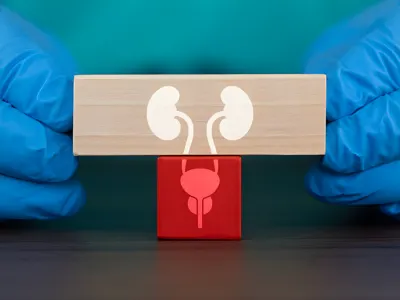
Types of Urological Cancer Treated by Dr. Prateek Varshney
Let’s look at the major types of urological cancers that Dr. Varshney, a leading surgical oncologist in Delhi, treats with precision and advanced care.
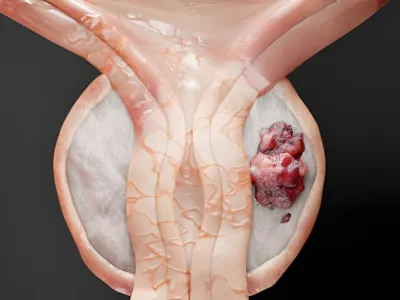
Prostate Cancer
A common cancer in men, prostate cancer often grows slowly but can spread if untreated. Dr. Varshney uses minimally invasive or robotic techniques to remove the affected gland while preserving urinary control and sexual function as much as possible.
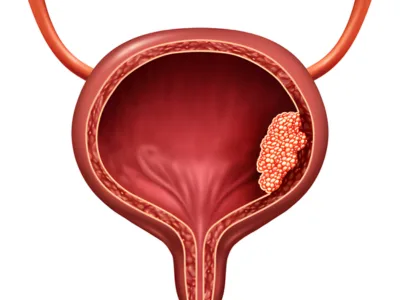
Bladder Cancer
It typically begins in the bladder’s inner lining and may present with blood in urine or frequent urination. Depending on the stage, treatments can include transurethral resection, partial or radical cystectomy, and reconstructive bladder surgery.
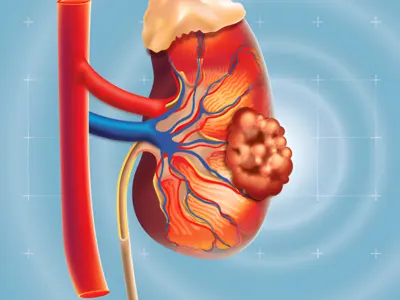
Kidney (Renal) Cancer
Detected increasingly through imaging, kidney cancer is treated by removing only the tumor (partial nephrectomy) or the entire kidney (radical nephrectomy). Minimally invasive and robotic surgeries allow precise tumor removal while preserving kidney function.
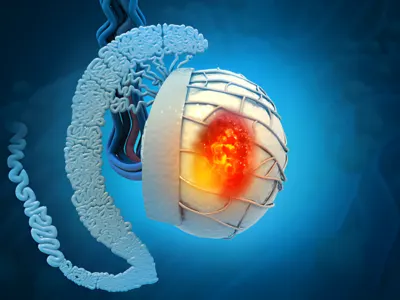
Testicular Cancer
Most common in younger men, testicular cancer is highly curable with prompt treatment. Surgery involves removing the affected testis (orchidectomy) and, in advanced cases, lymph node dissection for accurate staging and cure.
Urethral and Penile Cancer
These are rare but require expert surgical intervention and reconstructive care to maintain urinary and sexual function, which Dr. Varshney’s experience and multidisciplinary approach make possible.
Here’s a look at the treatment modalities for urological cancer
Treatment Options for Urological Cancer
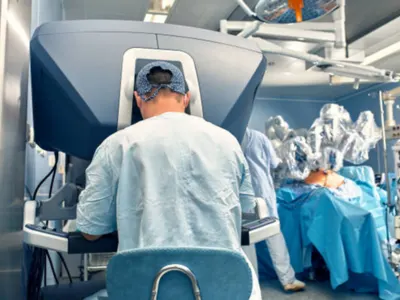
Surgery
Surgery is often the first line of treatment for most urological cancers. Using laparoscopic or robotic-assisted methods, Dr. Varshney removes the tumor precisely while preserving as much healthy organ tissue as possible, ensuring minimal damage to surrounding structures and faster recovery.
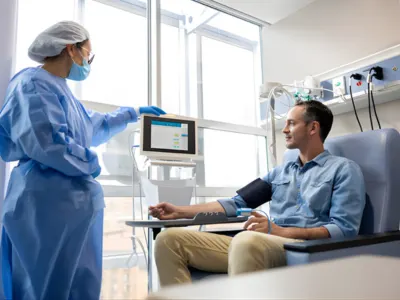
Chemotherapy
Chemotherapy uses anti-cancer drugs to destroy cancer cells or stop their growth. It may be given before surgery to shrink tumors or after to prevent recurrence, especially in bladder and testicular cancers.
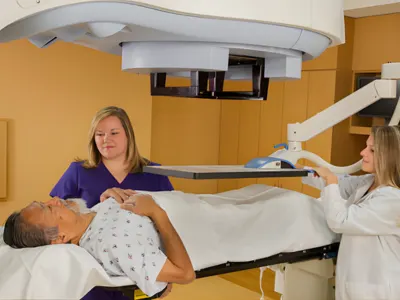
Radiotherapy
Radiotherapy directs controlled doses of radiation to the tumor site. It helps eliminate remaining cancer cells after surgery or serves as a primary treatment in cases where surgery isn’t suitable.

Immunotherapy
Immunotherapy boosts the body’s immune system to recognize and attack cancer cells. This newer treatment has shown promising results in certain kidney and bladder cancers with specific biomarkers.

Hormone Therapy
Some cancers, like prostate cancer, grow in response to male hormones. Hormone therapy blocks or reduces these hormones, slowing cancer progression and easing related symptoms.
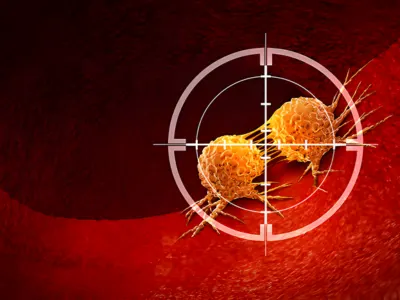
Targeted Therapy
Targeted therapy focuses on blocking specific molecules that help cancer cells grow. It’s often used in advanced kidney or bladder cancers, offering effective control with fewer side effects.
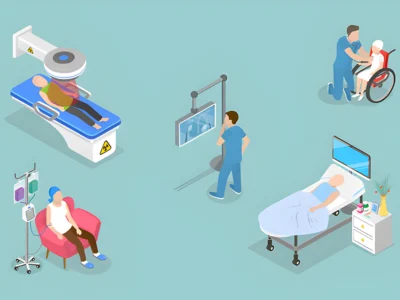
Combination Therapy
Many patients benefit from a combination of treatments. Surgery, radiation, and drug-based therapies may be used together to increase effectiveness and reduce the risk of recurrence.
Why Choose Dr. Prateek Varshney for Urological Cancer Treatment in Delhi
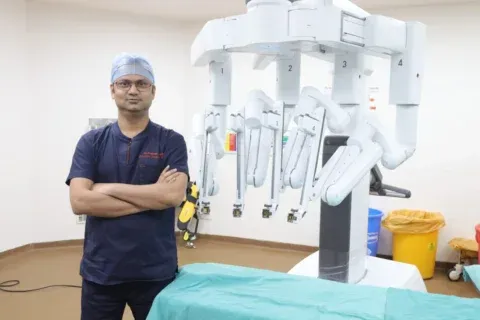
Extensive surgical experience: With over 22 years of expertise, Dr. Varshney performs complex urological cancer surgeries with precision and care.
Fellowship in minimal access surgery: Advanced training in laparoscopic and robotic techniques ensures precise tumor removal, smaller incisions, and faster recovery.
Comprehensive cancer management: Every stage, from diagnosis to post-surgery follow-up, is handled with expert care and attention to patient well-being.
Personalized treatment approach: Treatment plans are tailored to each patient’s condition, lifestyle, and long-term health goals for optimal outcomes.
Proven results: Successful surgical outcomes and positive patient experiences reflect his commitment to safe, ethical, and effective care.
Support throughout the journey: Patients and families receive guidance, information, and reassurance at every step of the treatment process.
Post-Treatment Care and Recovery

Post-treatment care is vital for healing and long-term outcomes:
Recovery and rehabilitation – Early mobilization, pain management, wound care and gradual return to normal activity.
Functional preservation – Specific attention to urinary and sexual function (where relevant) and strategies to restore or support them.
Lifestyle and wellness support – Guidance on nutrition, exercise, smoking cessation and other factors that help optimize recovery and reduce the risk of secondary cancers.
Emotional-psychological support – Recognizing the stress of a cancer diagnosis and recovery, patients receive empathetic support or referral to counselling as needed.
Dr Varshney advises: “Early action, careful follow-up and a healthy lifestyle make a meaningful difference in long-term outcomes for urological cancers.”
Frequently Asked Questions
1. What are the common symptoms of urological cancers?
Symptoms may include blood in urine, frequent or painful urination, flank pain, unexplained weight loss, or swelling in the testicles. Early evaluation is crucial.
2. Can urological cancers be treated successfully?
Yes. When diagnosed early and treated by experienced specialists, many urological cancers can be completely cured with surgery and adjunct treatments.
3. What is the role of robotic surgery in urological cancer treatment?
Robotic surgery enhances surgical precision, reduces recovery time, and helps preserve vital functions. It’s widely used for prostate, kidney, and bladder cancers.
4. How often should follow-up be done after treatment?
Follow-up is usually scheduled every 3–6 months in the first year and annually thereafter, depending on the type and stage of cancer.
5. How long is the recovery period after urological cancer surgery?
Most patients recover in a few weeks after minimally invasive surgery, while more extensive surgeries may require a longer healing period.