


Hepatobiliary Cancer Treatment in Delhi
Hepatobiliary cancers develop in the liver, gallbladder, and bile ducts—organs that are essential for digestion and metabolism. These cancers are often diagnosed late because early warning signs such as abdominal discomfort, jaundice, or unexplained weight loss may go unnoticed. In India, liver cancer alone ranks among the top ten causes of cancer-related deaths, underlining the need for timely and effective care.
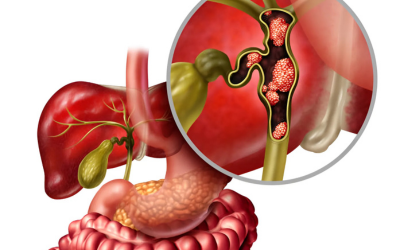
Dr. Prateek Varshney, an expert in hepatobiliary cancer treatment in Delhi, has over 22 years of experience managing complex liver and biliary cancers. He specializes in minimally invasive laparoscopic and robotic surgeries, ensuring precise tumor removal and faster recovery while preserving liver function.
Dr. Varshney, a seasoned hepatobiliary surgeon in Delhi, states,
“Hepatobiliary cancers affect organs crucial to the body’s functions. The challenge is not just removing the tumor but protecting liver health. With early diagnosis and advanced surgery, patients can achieve outcomes that were once considered difficult.”
Let’s look at how these cancers are treated.
Treatment Options for Hepatobiliary Cancer by Dr. Prateek Varshney
Treatment for hepatobiliary cancers depends on the type, stage, and overall health of the patient. Dr. Prateek Varshney, a renowned surgical oncologist in Delhi, offers a comprehensive range of treatments designed to control disease while preserving liver function as much as possible.
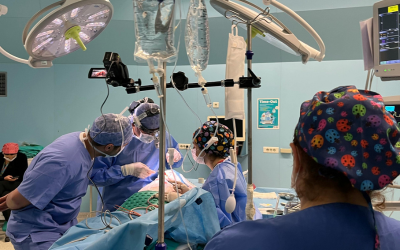
Surgical Resection
When the cancer is confined to the liver or bile ducts, surgery is often the first choice. Dr. Prateek Varshney performs both open and minimally invasive resections. Robotic and laparoscopic surgeries are usually preferred because they reduce pain, shorten hospital stay, and support quicker recovery.
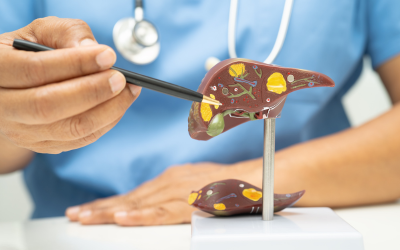
In advanced cases where the liver is badly damaged, transplantation may be the most effective option. Dr. Varshney collaborates with specialized transplant teams to provide seamless, integrated care.

Procedures such as Radiofrequency Ablation (RFA) and Microwave Ablation are used to destroy smaller tumors in patients who may not be fit for surgery.

Targeted Therapy and Immunotherapy
In advanced stages, modern drugs or immune checkpoint inhibitors help slow disease progression and improve survival.
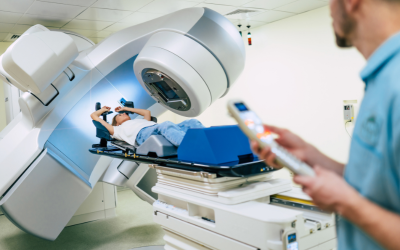
These are generally recommended for bile duct cancers (cholangiocarcinoma) or cancers that have spread to other areas, often in combination with surgery for maximum benefit.
If you have been diagnosed with hepatobiliary cancer, schedule a consultation with a specialist today to discuss the best treatment plan for your condition
Read on to know how doctors confirm hepatobiliary cancer?
Diagnostic Procedures for Hepatobiliary Cancer

Blood tests:
Includes liver function tests and tumor markers like AFP (alpha-fetoprotein) or CA 19-9.

Imaging studies:
Ultrasound, CT scans, and MRIs are vital in spotting tumors and assessing their spread.

PET-CT scans:
Useful in staging cancer and detecting hidden metastasis.

Biopsy:
Image-guided needle biopsy or endoscopic techniques confirm the diagnosis.
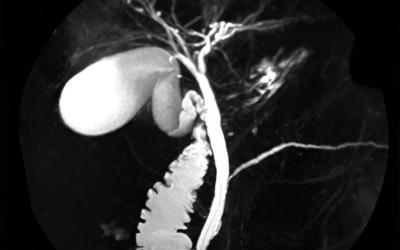
ERCP or MRCP:
These procedures evaluate blockages or tumors in the bile ducts.
Check out the types of cancers treated.
Types of Hepatobiliary Cancer Treated by Dr. Prateek Varshney
Dr. Varshney regularly treats a wide range of hepatobiliary malignancies. Here are the most common ones:
- Hepatocellular Carcinoma (HCC)
The most prevalent type of primary liver cancer—often linked to hepatitis B/C or cirrhosis.
- Cholangiocarcinoma
Also known as bile duct cancer, this is rare but aggressive. It can occur inside (intrahepatic) or outside (extrahepatic) the liver.
- Gallbladder Cancer
It is often diagnosed late but treatable with surgery when caught early.

- Secondary Liver Metastases
Liver is a common site for metastasis from colorectal, pancreatic, or breast cancers.
- Combined Hepatocholangiocarcinoma
A rare hybrid cancer showing features of both HCC and cholangiocarcinoma.
Book a consultation today to discuss which treatment option suits your case. Timely decisions can make a difference
Here’s why patients trust Dr. Prateek Varshney
Why Choose Dr. Prateek Varshney for Hepatobiliary Cancer Treatment in Delhi
Years of focused expertise: With over two decades of surgical experience, Dr. Varshney has treated some of the most complex liver, gallbladder, and bile duct cancers.
Expertise in minimally invasive surgeries: As a leading liver specialist in Delhi, he is proficient in both laparoscopic and robotic hepatobiliary surgeries, ensuring faster recovery and minimal complications.
Balanced approach: His treatment plans are designed not only to remove tumors but also to preserve maximum liver function, which is vital for long-term health.
Comprehensive care: From diagnosis to treatment and post-surgery follow-ups, patients receive complete support.
Patient-centered care: Every case is discussed in detail with the patient and family, ensuring transparency, comfort, and trust throughout the treatment journey.
Proven outcomes: Many patients under his care have achieved successful outcomes with both early-stage and advanced cancer cases.

Do not wait if symptoms persist. Early intervention is the key for better results in hepatobiliary cancer treatment. Book an appointment today.
Frequently Asked Questions
What is the most common type of hepatobiliary cancer in India?
Hepatocellular carcinoma, a type of liver cancer, is the most common type seen in India.
How is hepatobiliary cancer diagnosed?
It is diagnosed using blood tests, imaging (CT, MRI, ultrasound), and biopsy to confirm the presence of cancer.
What lifestyle changes can reduce the risk of hepatobiliary cancers?
Avoid alcohol, quit smoking, manage obesity, control diabetes, and get vaccinated against hepatitis B. A healthy diet and regular liver check-ups go a long way.
Can hepatobiliary cancer recur after treatment?
Yes, recurrence is possible. Regular follow-ups and monitoring are essential to detect and manage it early.
What role does liver transplant play in treatment?
In cases where the liver is severely damaged or surgery isn’t possible, a liver transplant may be the best option.
